


Outdoor Experiences: Individual vs Group
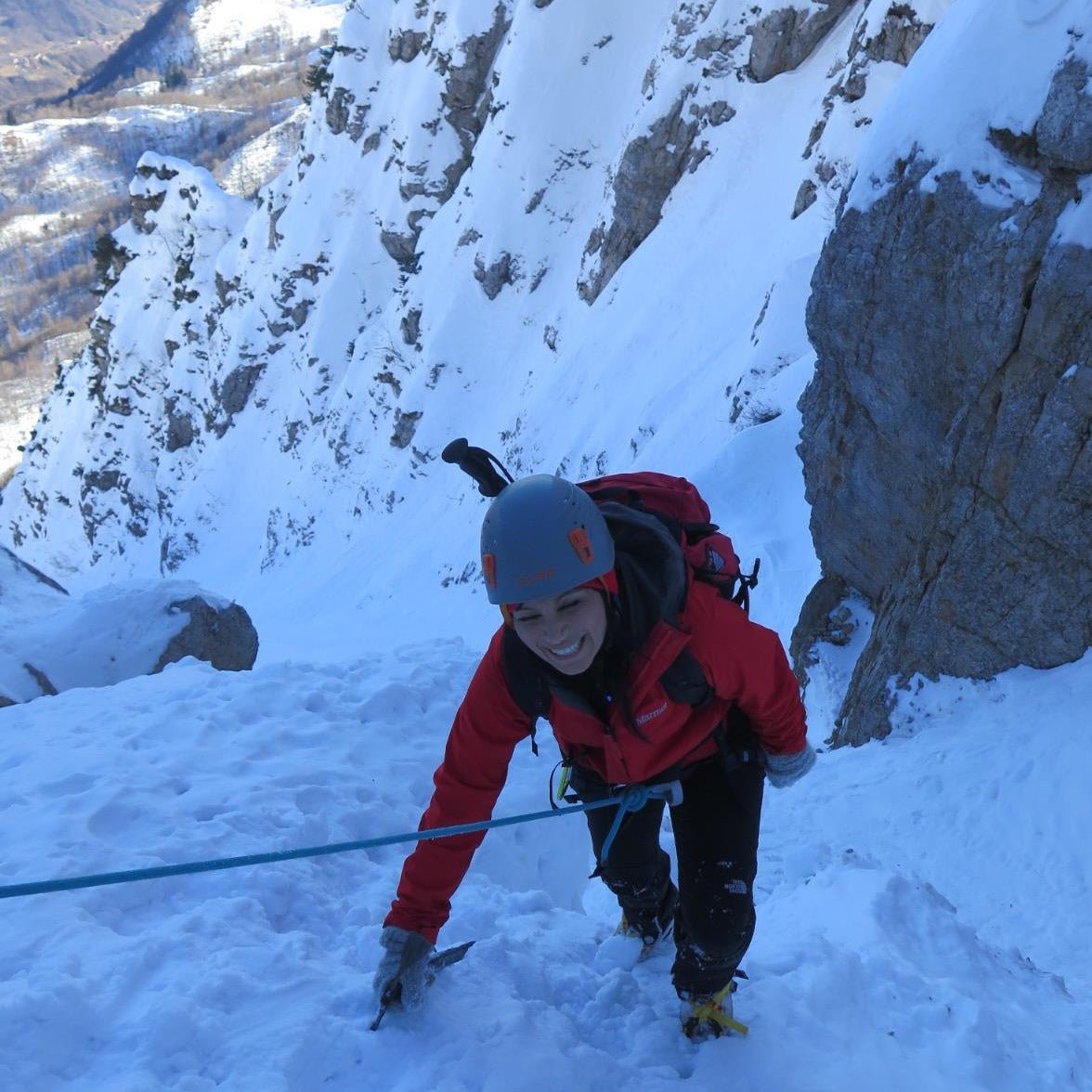
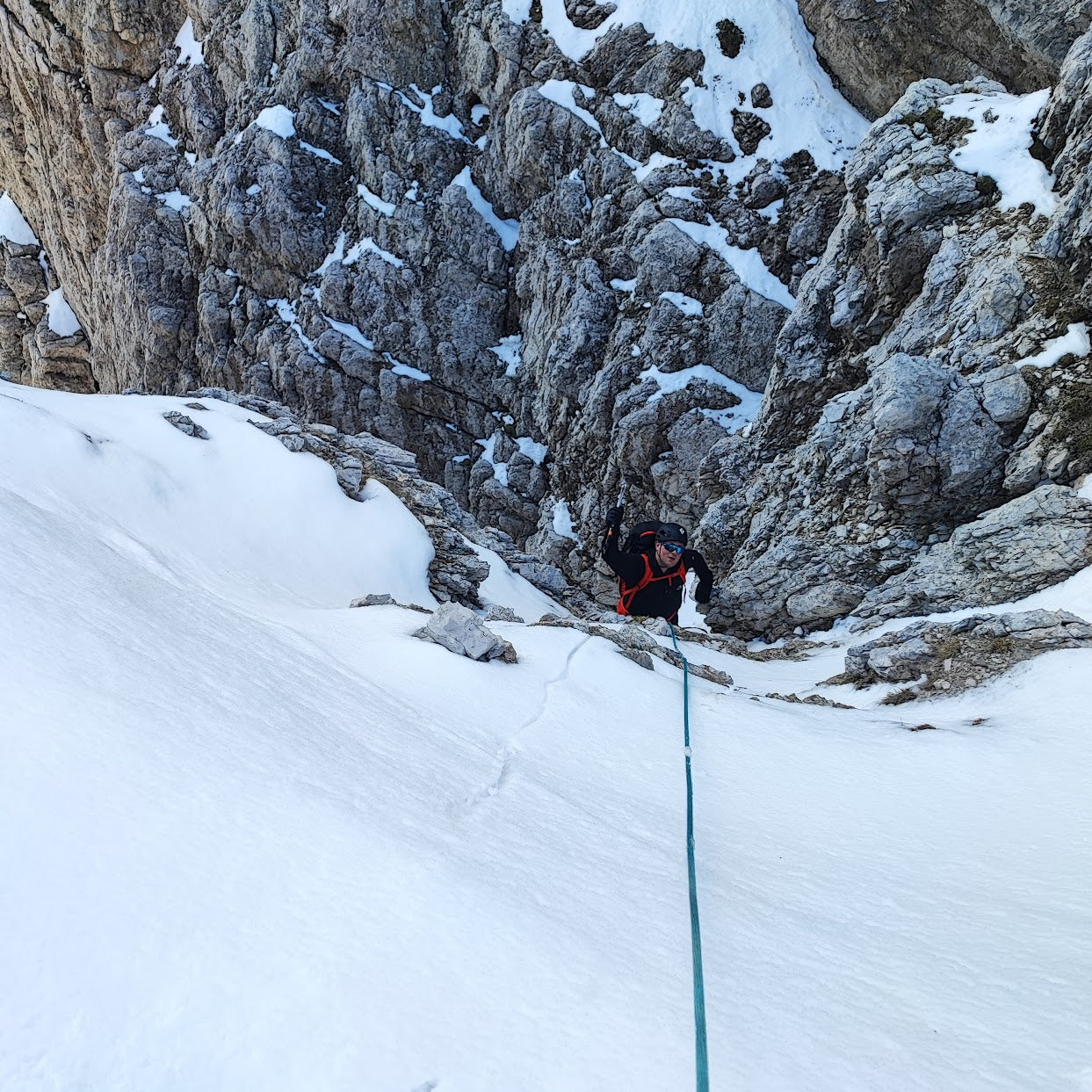
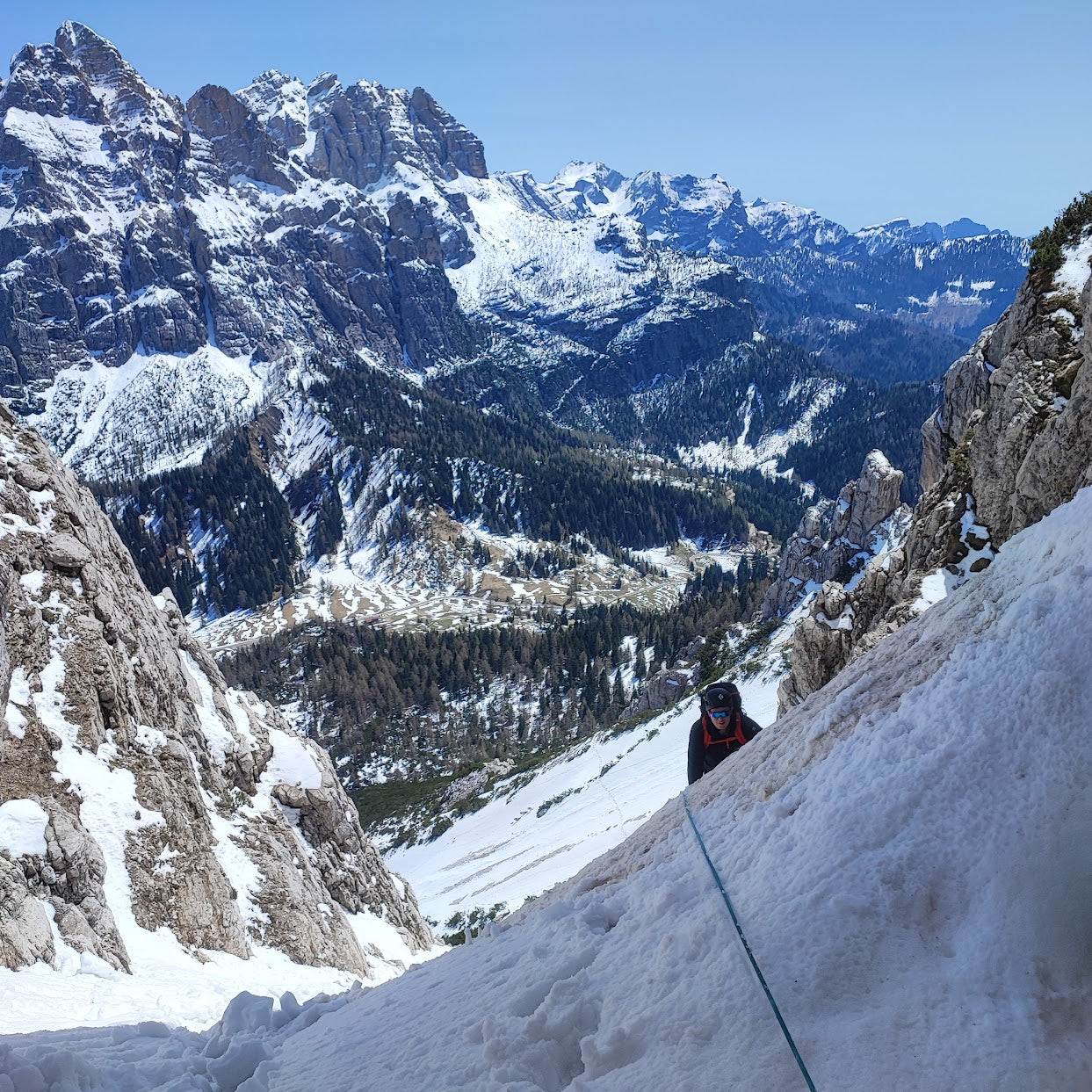
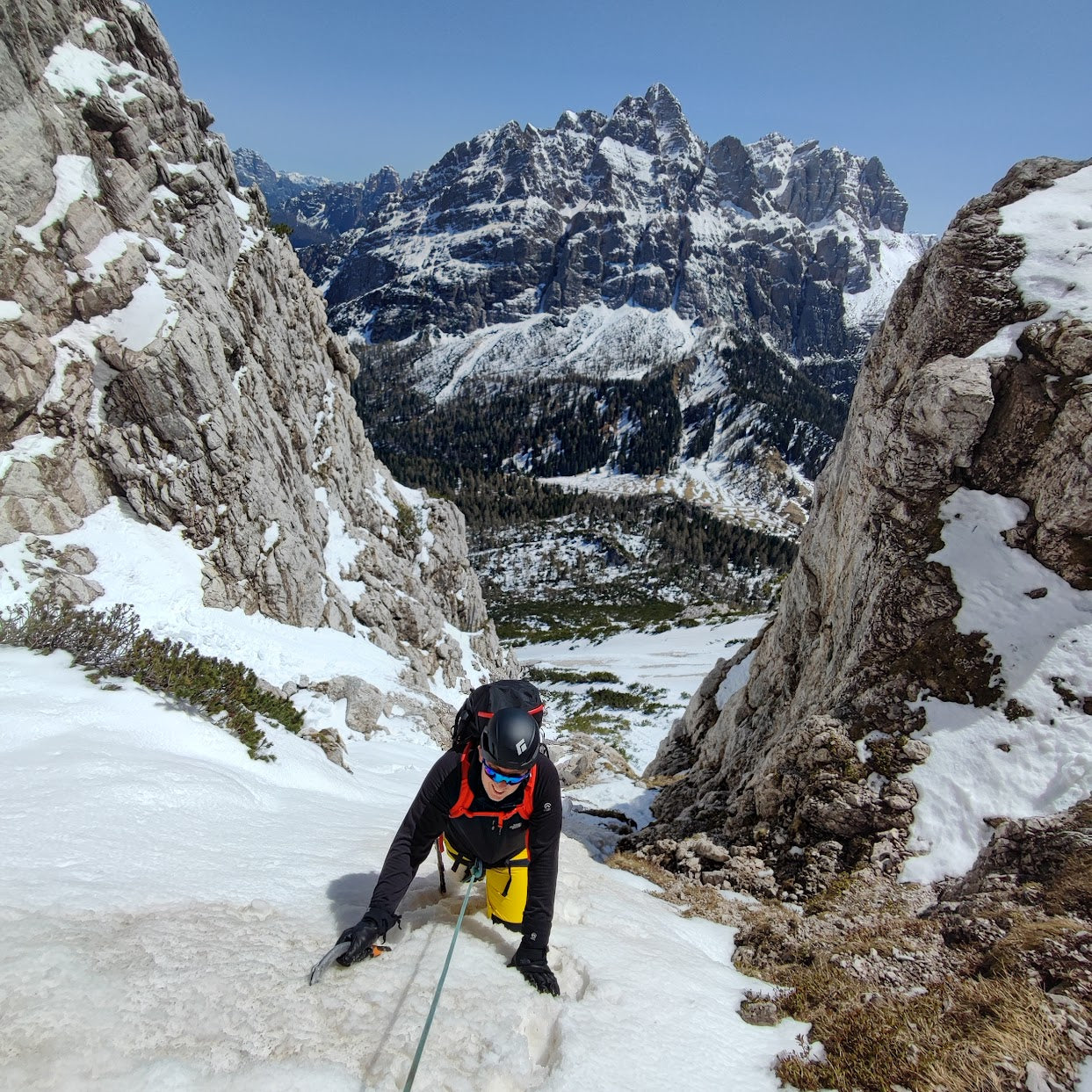
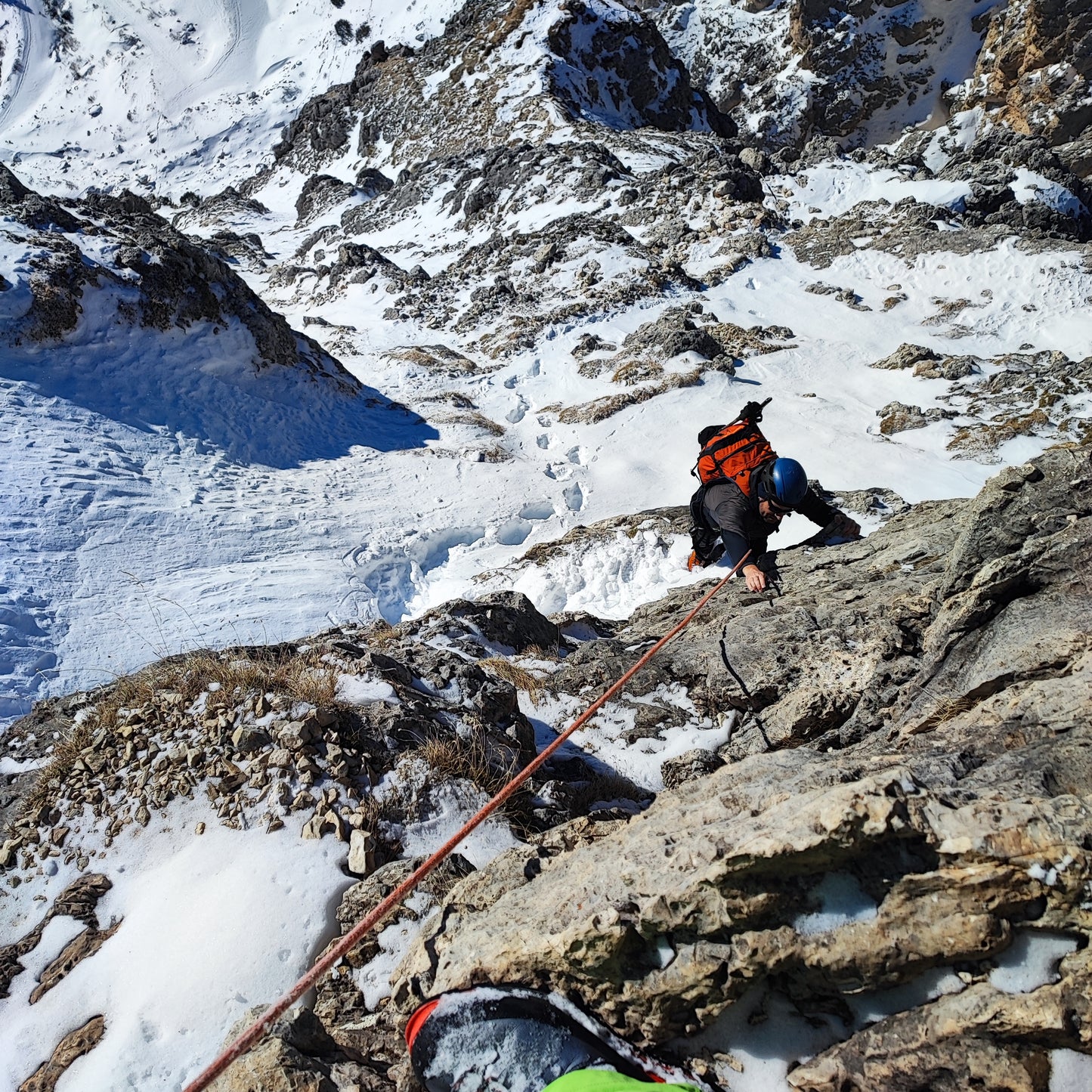
When it comes to having a mountain adventure, whether it's a via ferrata , a climb , or a ski mountaineering trip , choosing between an individual or group experience can make a big difference. Each option has its advantages, but there are situations where a personalized approach offers unmatched value.
Individual Experiences: Maximum Personalization and Attention
Individual or small group experiences (1-2 people) are designed for those looking for an exclusive and tailor-made adventure . In this context, the mountain guide dedicates himself completely to you, adapting every aspect of the excursion to your abilities, desires and objectives.
Benefits of Individual Experiences:
- Full Attention: The guide is focused only on you, ensuring greater safety and faster learning.
- Total Flexibility: The itinerary, pace, stops and date of the excursion are customized according to your needs.
- Custom Challenges: Possibility to tackle more technical or challenging routes that require greater attention.
Disadvantages of Individual Experiences:
- Higher Cost: Exclusive attention comes at a higher price.
Ideal for those who: Want an unforgettable, advanced and totally tailor-made experience, with a dedicated guide.
Group Experiences: Sociality and Sharing
Group experiences are perfect for those who love sharing the adventure with other people, creating new bonds and experiencing the energy of the group. They are usually more accessible financially and follow a predefined program that is difficult to adapt.
Benefits of Group Experiences:
- Affordable Cost: The price is split between participants.
- Socializing: Great opportunity to meet new people with similar passions.
Disadvantages of Group Experiences:
- Less Individual Attention: The guide has to manage more people.
- Less Flexibility: Date and itinerary are fixed and the pace is adapted to the average pace of the group.
Ideal for those who: Want a more accessible experience and love sharing the adventure with others.
Why Choose an Individual Experience?
While group experiences are great for fun and cost savings, individual experiences offer a higher level of quality and an experience you’re unlikely to forget.
- Rapid Progress: The guide adapts to your pace.
- Maximum Security: Each step is controlled and personalized.
- Memorable Experience: Every moment is designed for you.
Do you have any doubts or want more information? Do not hesitate to contact me , I will be happy to help you choose the perfect experience for you!
Terms and Conditions
Terms and Conditions
Terms and Conditions
By registering for the activities proposed by the mountain guide, you accept the terms, conditions and regulations of the activities highlighted here.
Responsibility
Absolute safety does not exist in the mountains and mountaineering is not free of danger, even if you are accompanied by an mountain guide. The guide undertakes to make thoughtful assessments and take reasonable decisions, informing the client of these, but will never be able to exclude any risk. This is why the client's sense of responsibility is also crucial to maintaining a good level of safety. By signing up for an activity, you accept the residual risk margin implicit in the activity itself, thus renouncing any claim for compensation for damages and attributing responsibility to the mountain guide.
Cancellation or modification of the itinerary due to bad weather or unsuitable mountain conditions
The mountain guide is the only person responsible for evaluating the mountain conditions and therefore, during the excursion and in the presence of adverse conditions, can modify the execution of the same at his own discretion. He also undertakes to cancel the outing in the event of adverse weather/mountain conditions. It will be the Guide's care and attention to propose any alternative destinations with similar characteristics to the predefined outing. If this is not agreed upon, any advance payment will be credited for a future outing or reimbursed in full. This decision will be made in mutual agreement with the client.
Safety is the top priority and the Guide never guarantees the summit or completion of the excursion, however much he will do to make the excursion a success.
Program change
The mountain guide can modify the program or itinerary, at his own discretion, at any time, both for the conditions at the previous point and if the psychophysical conditions of the clients make it necessary.
Cancellation by the customer
The right of withdrawal is excluded, pursuant to art. 59, paragraph 1, letter n) of Legislative Decree 6 September 2005, n. 206 (Consumer Code). According to this rule, the right of withdrawal is excluded in the case of purchase of services relating to leisure activities if the contract provides for a specific date or period of execution. No exceptions are foreseen in the event of Covid-19 infection
Prices
Prices are per person, VAT included, and include the guide's fee and the use of common safety equipment. They do not include anything not expressly specified and agreed upon at the time of registration, such as personal equipment and the guide's out-of-pocket expenses.
The estimate for the professional mountain guide rate is valid for 6 months from the date at the top of the estimate itself.
Minimum number of participants
Some courses or excursions are carried out only if the minimum number of participants foreseen in the program is reached. In case the minimum number is not reached, a revised price will be proposed considering the actual number of participants, the customer can accept or refuse the proposal, in case of refusal the activity will be cancelled.
Registration and booking confirmation
Registration, even verbal, implies acceptance of all the terms and conditions listed above. Registration is completed only upon payment of the deposit indicated.
Customer Obligations
The Client undertakes to ensure that he/she meets the conditions and necessary requirements possibly mentioned in the description of the activity (psycho-physical condition, level of practice possibly required, etc.). Otherwise, the guide may prevent the client from participating in the activity, without granting any type of refund. The client undertakes to respect the “activity regulations”.
Obligations of participants
Participants are required to:
- respect the daily departure times and the established program, adapting to any changes made by the guide;
- show up with a physical and mental condition and clothing appropriate for the activity or trip;
- maintain disciplined behavior during the activity or trip,
- respecting people and private property and following the instructions given by the guide;
- relate to fellow travellers in a friendly and respectful manner, without excluding anyone, encouraging the formation of a collaborative and welcoming team spirit;
- follow the established route without moving away or abandoning the group and without overtaking the guide;
- do not cause environmental damage (collect plants, mushrooms, disturb animals, etc.) and in any case adopt environmentally friendly behavior;
- store your waste in the appropriate bins.
Each participant is personally responsible for any risky behavior for himself or others, in particular in the event that he or she takes personal initiatives despite the contrary advice of the guide.
Photography and video shooting
During the activity or trip, photographs and/or videos will be taken which may appear on public domain sites and which will be used by laguidalpina.it and its partners for promotional purposes.
Participation in the excursion implies permission to publish the aforementioned material.
Acceptance of the rules
Participation in the activities implies unconditional acceptance of these regulations.
Technical equipment
-
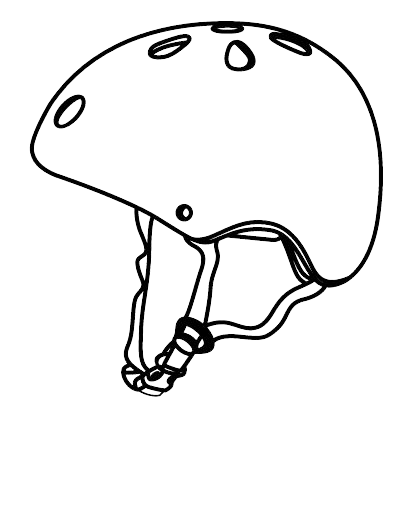
Helmet
-

Harness
-
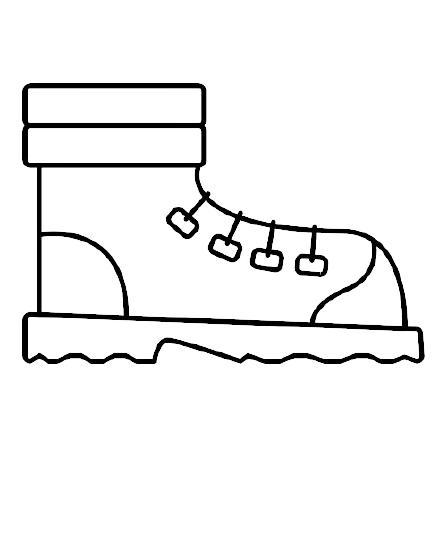
Ice boots
-

Ice axe
-
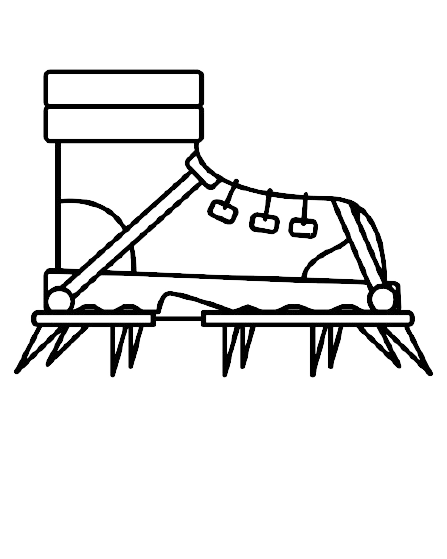
Crampons
-

Probe
-

Shovel
-

Artva - Avalanche Transceiver


Requirements & equipment
